
 United States
Practical considerations for progressing Assisted PD in your unit
Assisted PD can help more patients access and remain on peritoneal dialysis at home when they need additional support.
Drawing on international and Australian experience from Professor Edwina Brown, past president of the ISPD, and Assisted PD Guidebook authors Debbie Fortnum, Paul Bennett and Aron Chakera, here are some practical considerations for services looking to establish or develop an Assisted PD program.
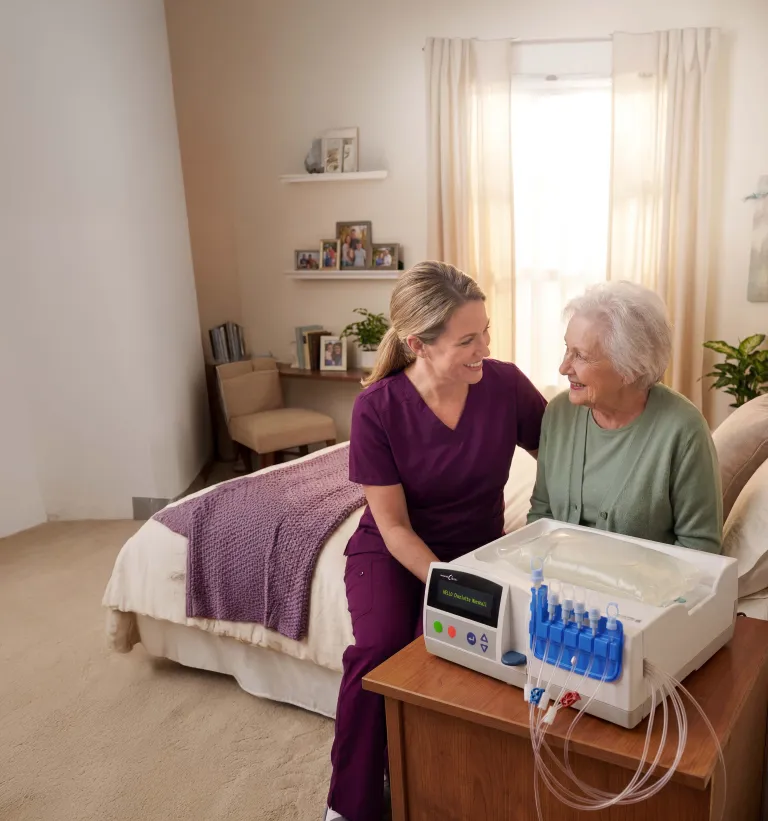
You can support more patients to dialyse at home with an Assisted PD program in your unit
There is no single model for Assisted PD
Assisted PD can be adapted to local patient and service needs. Programs may support different patient populations, use different workforce models, and provide assistance ranging from short-term support through to ongoing care.
So, where can your unit start?
Build the case in your unit.
Start by understanding the local need. Consider who could benefit from assistance and what challenges an Assisted PD program could help your service address.
This may include bringing together the patient perspective with broader service considerations, such as hospital bed days and haemodialysis capacity.
Identify where assistance could make a difference.
Assistance may benefit patients with physical limitations, those requiring short-term support following illness or injury, or situations where a carer needs respite. Understanding these needs can help determine where an Assisted PD model may provide the greatest value.
Consider a flexible workforce model
Assistance does not necessarily need to be delivered exclusively by registered nurses. Workforce and training models can be designed around the level of support patients require, supported by appropriate clinical governance.
Start small and formalise the approach
Some units may already provide elements of assistance informally. Establishing a defined pilot can help make this activity visible, understand local requirements and provide a practical starting point for developing a more formal Assisted PD program.
Moving Assisted PD forward
You don’t need to have every element of the model resolved at the outset. Start by understanding the needs of patients and your service, build the case for assistance, and consider an approach that works within your local setting.
Ready to explore what Assisted PD could look like in your unit?
Explore the Assisted PD Guide for practical guidance and resources.