
 United States
Reflections from the New Zealand PD Access and PD Catheter Insertion Workshop
Hamilton, 31 October 2026
As healthcare systems across New Zealand grapple with growing demand for kidney replacement therapies, one reality has become increasingly clear: expanding access to home dialysis requires more than clinical enthusiasm. It requires capability, confidence and infrastructure.
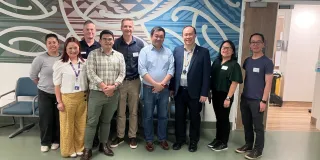
That was the driving force behind the recent PD Access and PD Catheter Insertion Workshop held in Hamilton, where healthcare professionals from across New Zealand came together to strengthen the practical skills needed to support peritoneal dialysis (PD) growth throughout the country.
The workshop, led by internationally experienced faculty Dr. Tan and Dr. Waters, focused on one of the most critical enablers of a successful PD program: reliable and timely access to PD catheter insertion.
The Missing Link in Home Dialysis Growth
While the benefits of peritoneal dialysis are well established, patient choice can only become reality when health services have the expertise and resources required to initiate and support therapy.
Without timely catheter insertion, patients who may otherwise choose home dialysis can find themselves defaulting to facility-based haemodialysis. Closing that gap starts with education.
Learning Through Practical Experience
The Hamilton workshop combined evidence-based teaching with extensive hands-on learning, providing participants with a comprehensive understanding of the entire PD access pathway.
Morning sessions covered:
- Abdominal wall anatomy relevant to PD access
- Patient selection and suitability assessment
- Consent processes and peri-operative management
- Anaesthesia and conscious sedation principles
The focus then shifted to practical skill development.
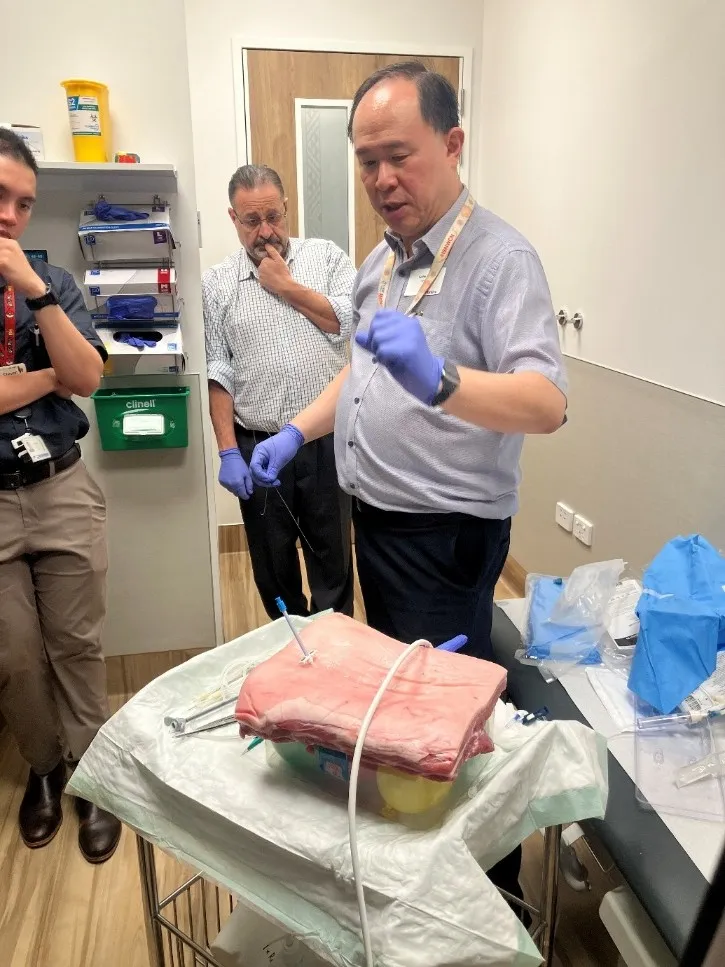
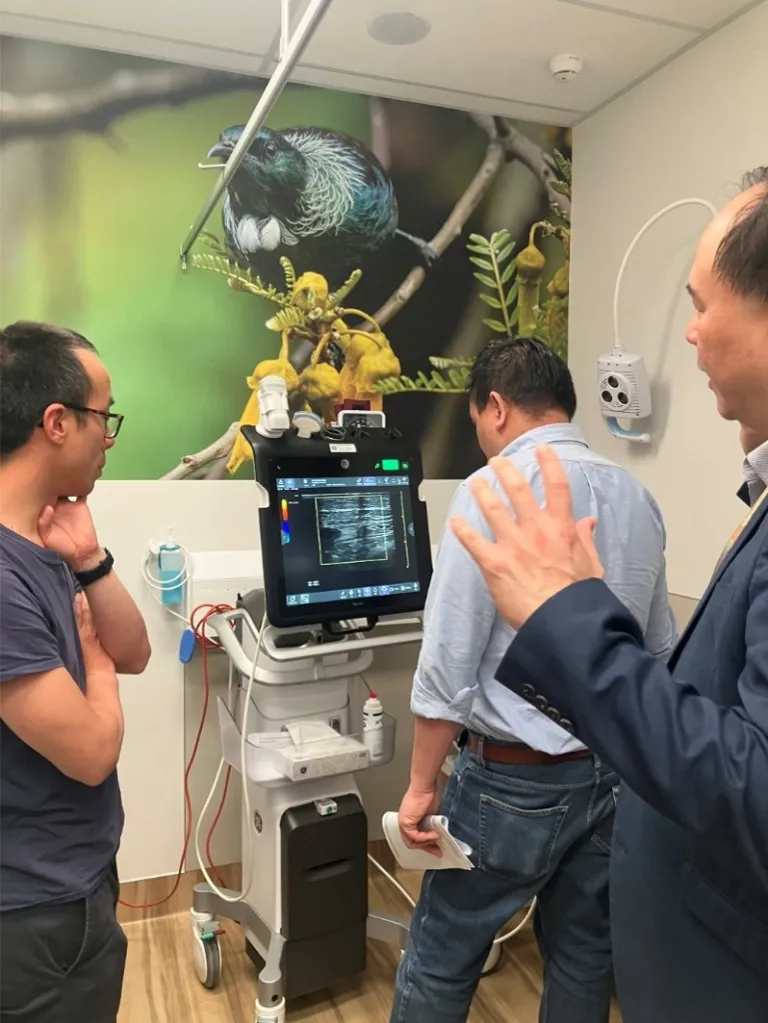
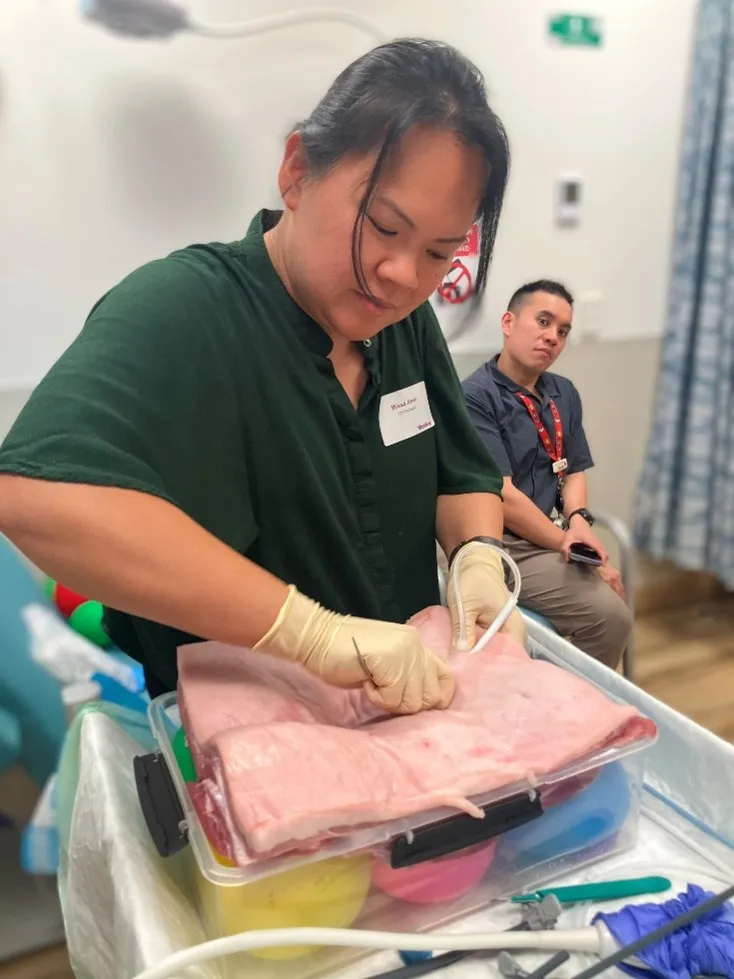
Participants rotated through stations covering aseptic technique, surgical gowning, skin incision and suturing skills, PD nursing principles, catheter exit site planning and ultrasound localisation of inferior epigastric arteries.
The day culminated with dedicated catheter insertion practice using realistic pork belly simulation models, allowing participants to apply new knowledge in a controlled environment before translating those skills into clinical practice.
More Than a Technical Workshop
What made the event particularly valuable was its multidisciplinary approach.
Successful PD programs rely on collaboration between nephrologists, proceduralists, nurses and support teams. The workshop deliberately reflected this reality, integrating technical insertion skills with nursing considerations, patient preparation and post-procedural management.
By focusing on the entire patient journey rather than the procedure alone, attendees gained a broader appreciation of the factors that contribute to successful long-term PD outcomes.
Investing in New Zealand's Home Dialysis Future
For a country with a strong history of innovation in renal care, investments in practical education such as this represent more than professional development. They are investments in patient choice. Participants returned to their local services with greater confidence to support patients considering home dialysis.
The Opportunity Ahead
The eight clinicians who travelled from across New Zealand to attend this workshop demonstrated a commitment to advancing renal care that extends well beyond a single day of training.
The challenge now is to build on this momentum.
As demand for kidney replacement therapy continues to rise, New Zealand has an opportunity to further strengthen local expertise, reduce barriers to PD access and ensure home dialysis remains a realistic option for every appropriate patient.
The workshop in Hamilton was a reminder that improving patient access does not always require new technology or major system reform. Sometimes, it starts with bringing committed clinicians together, sharing knowledge, and developing the practical skills that allow patient choice to become clinical reality.