
 United States
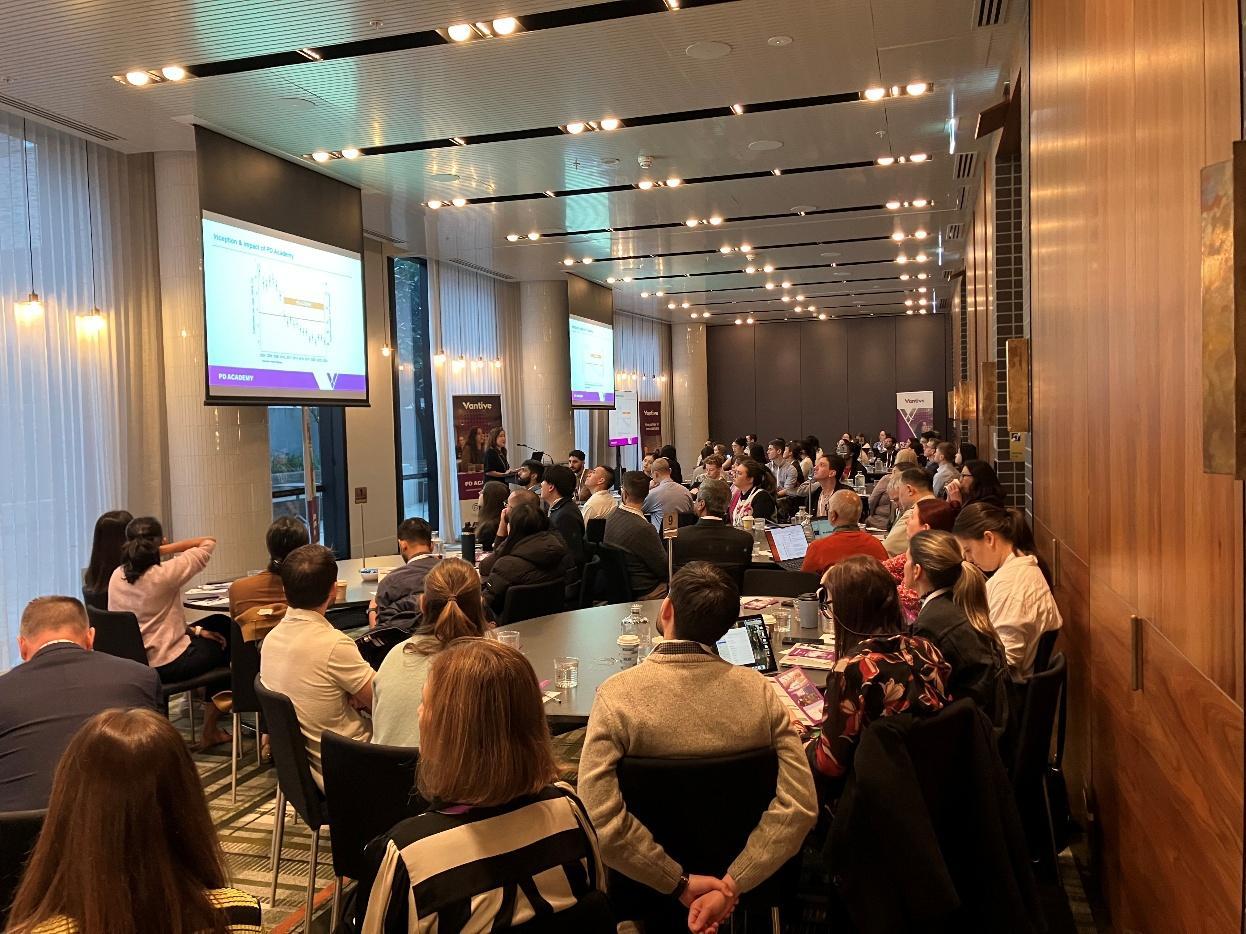
In a first for PD Academy, it escaped to Melbourne. A change in location also brought about significant changes to the format of learning. While traditional lectures and workshops were still there, a couple of new and innovative sessions were trialed to great success.
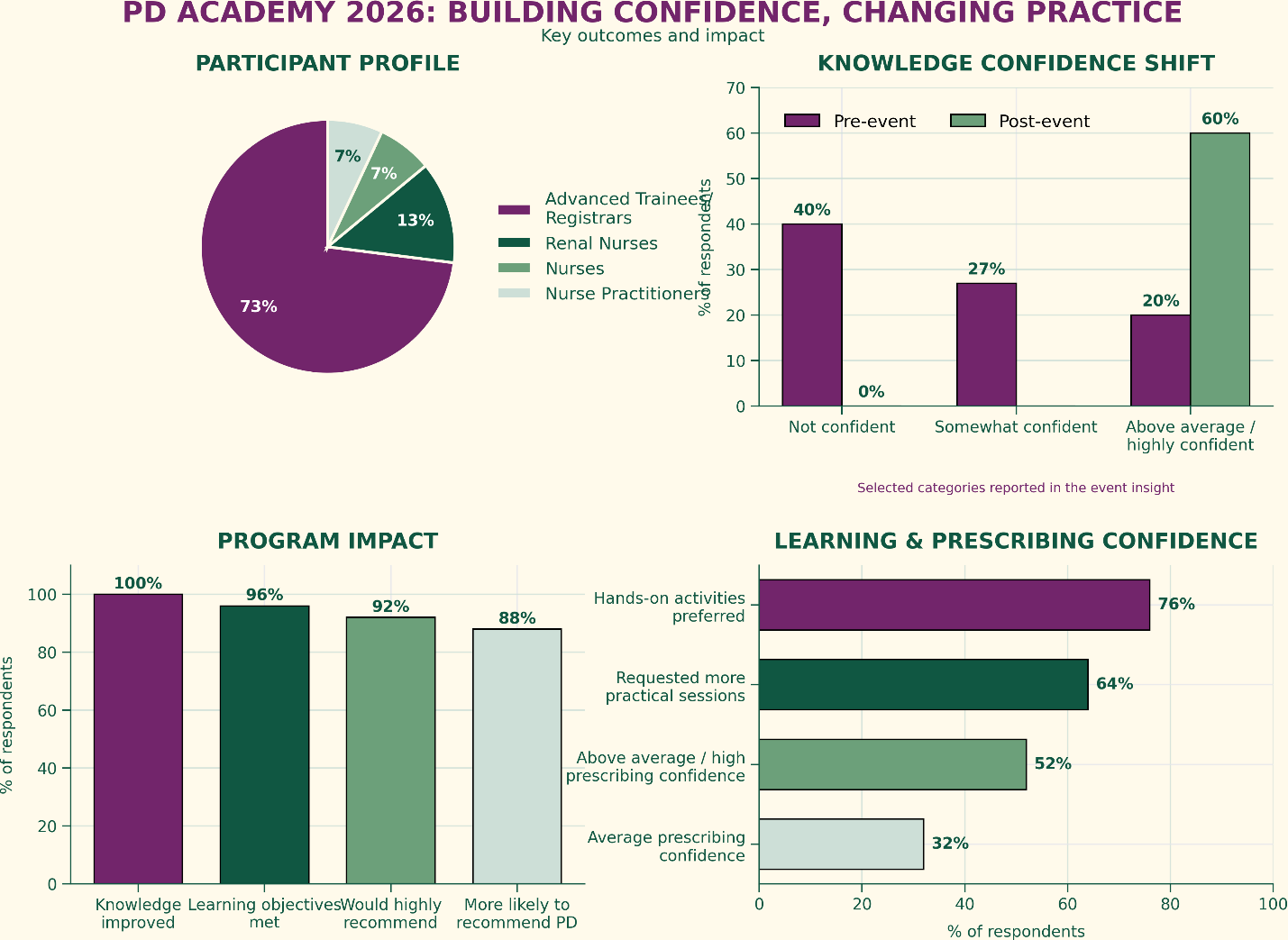
PD Academy 2026 successfully brought together clinicians from across Australia and New Zealand with a clear goal: to strengthen confidence and capability in peritoneal dialysis (PD). Participants were predominantly early-career nephrologists, with 73% Nephrology Advanced Trainees/Registrars, alongside renal nurses (13%), nurses (7%) and nurse practitioners (7%).
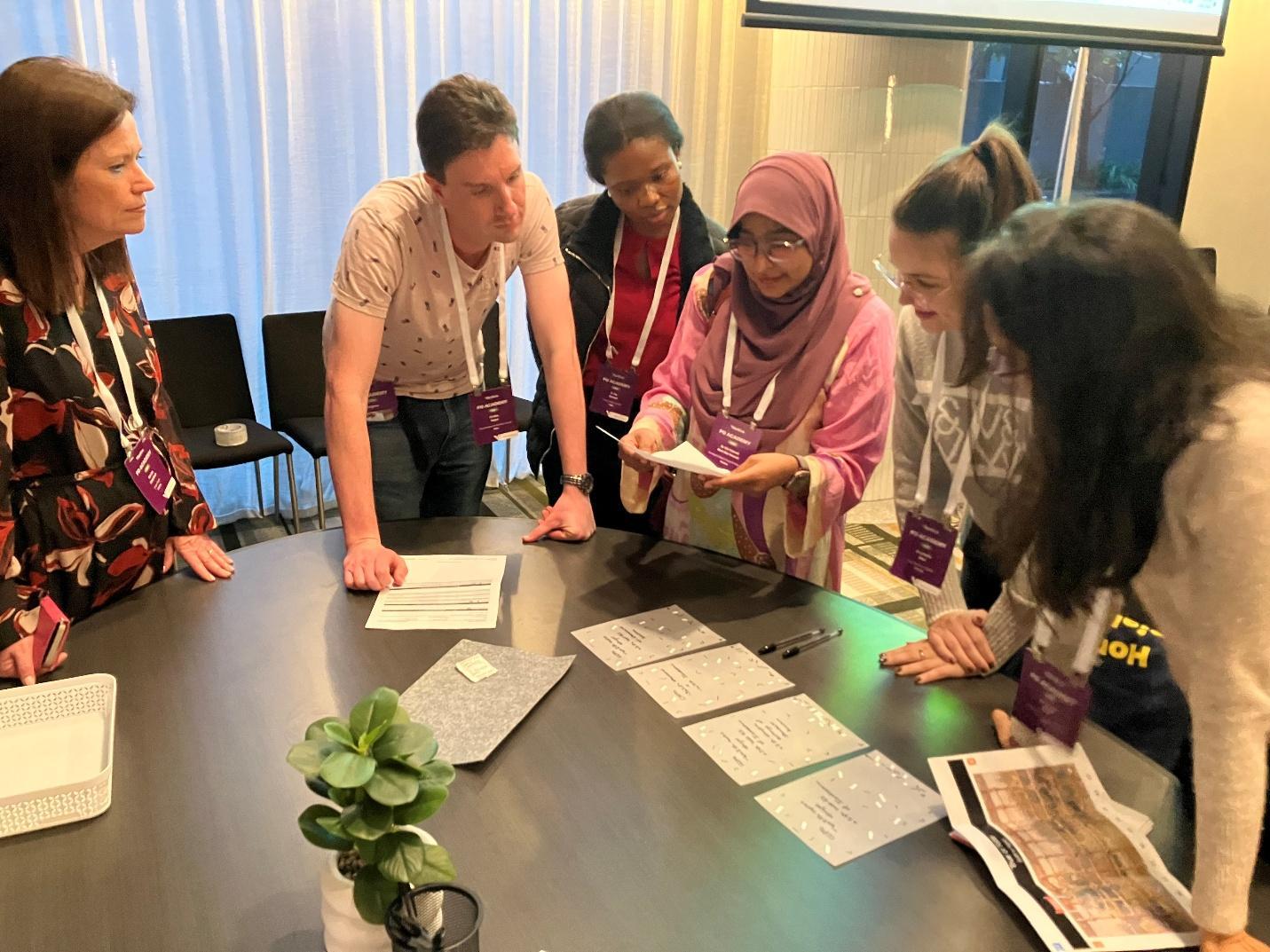
Consolidation of learning, normally reserved for tests, quizzes or demonstrations of competency, was delivered via an Escape Room: Saving Dr Voss’s PD Practice. In a scene taken from a Hollywood disaster movie, a fictional (maybe not so fictional) renal unit was plunged into chaos when the power was disrupted by a significant natural disaster. With no power and no electronic files, to run the unit, and Dr Voss on holiday in Asia, the intrepid ATs and nurses had to solve a series of devilish clinical problems to be able to access the department procedures on Dr Voss’s computer. Lock boxes, code words and lateral thinking were the order of the day as teams of 6 battled the clock to access the files and save the patients. With guidance from the faculty and teamwork among themselves, most participants were able to escape—some quicker than others, and others didn’t quite make it.
For many of the participants, the life of someone on PD is a mystery, and so to debunk some of the myths and highlight how easy it really is a mock ‘home’ was created, complete with couch, bed and bedside table and ‘real’ life patient. The Vantive staff walked participants through the life of someone on PD—starting with Continuous Ambulatory Peritoneal Dialysis (CAPD), and how easy it is to maintain a ‘normal’ life—work, travel, family life and do PD at the same time. Moving to Automated PD meant a move to doing PD at night with the help of a ‘cycler’, however, the lifestyle options remained—work, travel, study and family life all continued without significant disruption. This session alone is responsible for some of the participants' feedback regarding myth busting and improving confidence.
The pre-event survey revealed a significant opportunity for education and to build participant confidence. While participants were generally positive about PD as a therapy, confidence levels were low. 67% described themselves as either "Not Confident" (40%) or only "Somewhat Confident" (27%) in their PD knowledge, with just 20% rating themselves above average or highly confident. Participants were seeking practical knowledge in PD prescribing, adequacy assessment, troubleshooting complications, catheter management and acute-start PD. Many also highlighted limited exposure to PD within their local training environments, including regional and remote settings.
Following PD Academy, the impact was clear. 100% of respondents reported that their PD knowledge had improved, and confidence shifted markedly. Post-event, 60% rated their knowledge as above average or highly confident, compared with just 20% before the course. Importantly, no participants remained in the "not confident" category.
The program also influenced prescribing confidence. After attending, 52% felt above average or highly confident in prescribing PD, while a further 32% reported average confidence. This translated into a measurable behavioural intention change. Prior to the course, one-third of respondents came from units where patients primarily commenced kidney replacement therapy on haemodialysis. After the program, 88% said they were more likely or strongly likely to recommend PD as a first treatment for kidney failure, with only 4% reporting no anticipated change in practice.
Perhaps most compelling were the qualitative shifts in mindset. Participants reported feeling "less scared" of PD, more confident with acute-start PD, and more likely to consider PD as a default option rather than haemodialysis. Others described having myths dispelled, recognising PD as more accessible than previously thought, and gaining a better appreciation of its potential to improve quality of life. Several respondents specifically noted increased confidence supporting patients in regional, remote and "return to country" settings.
The educational format was also strongly validated. 96% reported their learning objectives were met, and 92% would highly recommend PD Academy to colleagues. Participants consistently rated the workshops, prescription training, complications sessions and escape room activities among the most valuable components of the program. Reflecting modern adult learning preferences, 76% identified hands-on activities as their preferred learning style, and 64% requested even more practical sessions in future programs.
Overall, PD Academy achieved more than knowledge transfer. It shifted confidence, changed perceptions, and increased participants' willingness to advocate for PD in clinical practice. The results suggest the program is not only developing clinician capability but also creating future champions for home dialysis, with the potential to influence patient access to PD across Australia and New Zealand.